Should I Buy a New House First or Sell My Current Home First?

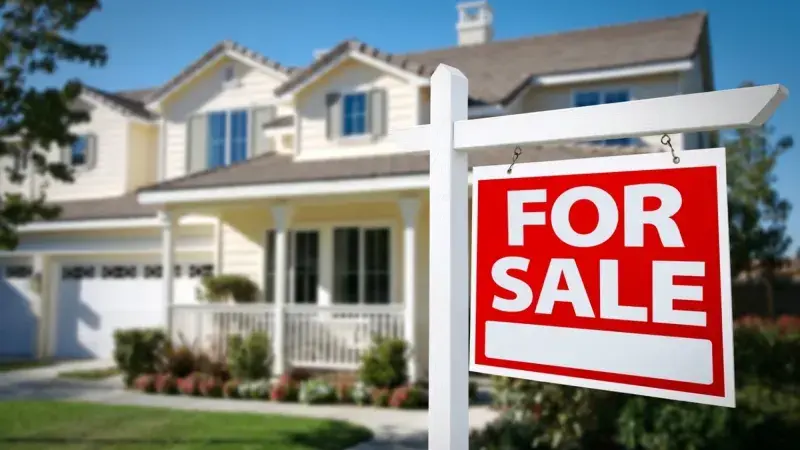
One of the most common questions homeowners ask when considering a move is:
"Should I buy my next home before selling my current one, or should I sell first?"
The answer depends on your financial situation, risk tolerance, and the local real estate market. Both options have advantages and drawbacks, and understanding them can help you make the best decision for your family.
Selling First: The Safer Financial Choice
For many homeowners, selling first is the most conservative approach.
Advantages of Selling First
You'll know exactly how much money you have to work with.Once your current home sells, you'll know how much equity you have available for your next purchase.
You avoid carrying two mortgages.Owning two homes at the same time can create financial stress, especially if your current home takes longer than expected to sell.
Your offer may be stronger.When shopping for your next home, sellers often prefer buyers who have already sold their existing property.
Potential Drawbacks
The biggest concern is timing.
You may need temporary housing if you can't find your next home before closing on your current one. This could mean renting, staying with family, or negotiating a rent-back agreement.
Buying First: Greater Convenience
Some homeowners choose to purchase their next home before selling their current one.
Advantages of Buying First
You can move once.Instead of moving into temporary housing, you can transition directly into your new home.
Less pressure during your home search.You won't feel rushed to find a replacement home before a closing deadline.
You can prepare your current home after moving out.Vacant homes are often easier to clean, stage, and show to prospective buyers.
Potential Drawbacks
The biggest risk is financial.
You may temporarily own two homes and two mortgage payments. You'll also need to qualify for the new mortgage while still carrying your current one.
If your existing home doesn't sell as quickly as expected, the situation can become stressful.
What Works Best in Today's Market?
In a seller's market, buying first can be challenging because competition for homes is high. Selling first often puts you in a stronger position when making offers.
In a buyer's market, homeowners may have more flexibility to buy first because homes tend to stay on the market longer, giving buyers more time to coordinate both transactions.
Other Options to Consider
Home Sale Contingency
A home sale contingency allows you to purchase a new home only if your current home sells. While this protects you financially, some sellers may reject contingent offers in competitive markets.
Rent-Back Agreements
Many sellers negotiate a rent-back agreement, allowing them to remain in their current home for a period after closing while they search for their next property.
Bridge Loans
A bridge loan can provide temporary financing that allows you to access your home's equity before it sells. This option can help buyers purchase first, but it should be carefully evaluated with a lender.
The Bottom Line
There is no one-size-fits-all answer.
If minimizing financial risk is your priority, selling first is often the safer route. If convenience and flexibility are more important and your finances allow it, buying first may make sense.
The best strategy depends on your home's value, available equity, local market conditions, and personal goals.
If you're considering a move and would like help evaluating your options, I'd be happy to discuss your situation and help you create a plan that works for your family.
Author: Wayne Whiting, REALTOR® | River City Elite PropertiesServing Richmond, Henrico, Chesterfield, Goochland, and surrounding Central Virginia communities.


Comments